 Lishe Grow
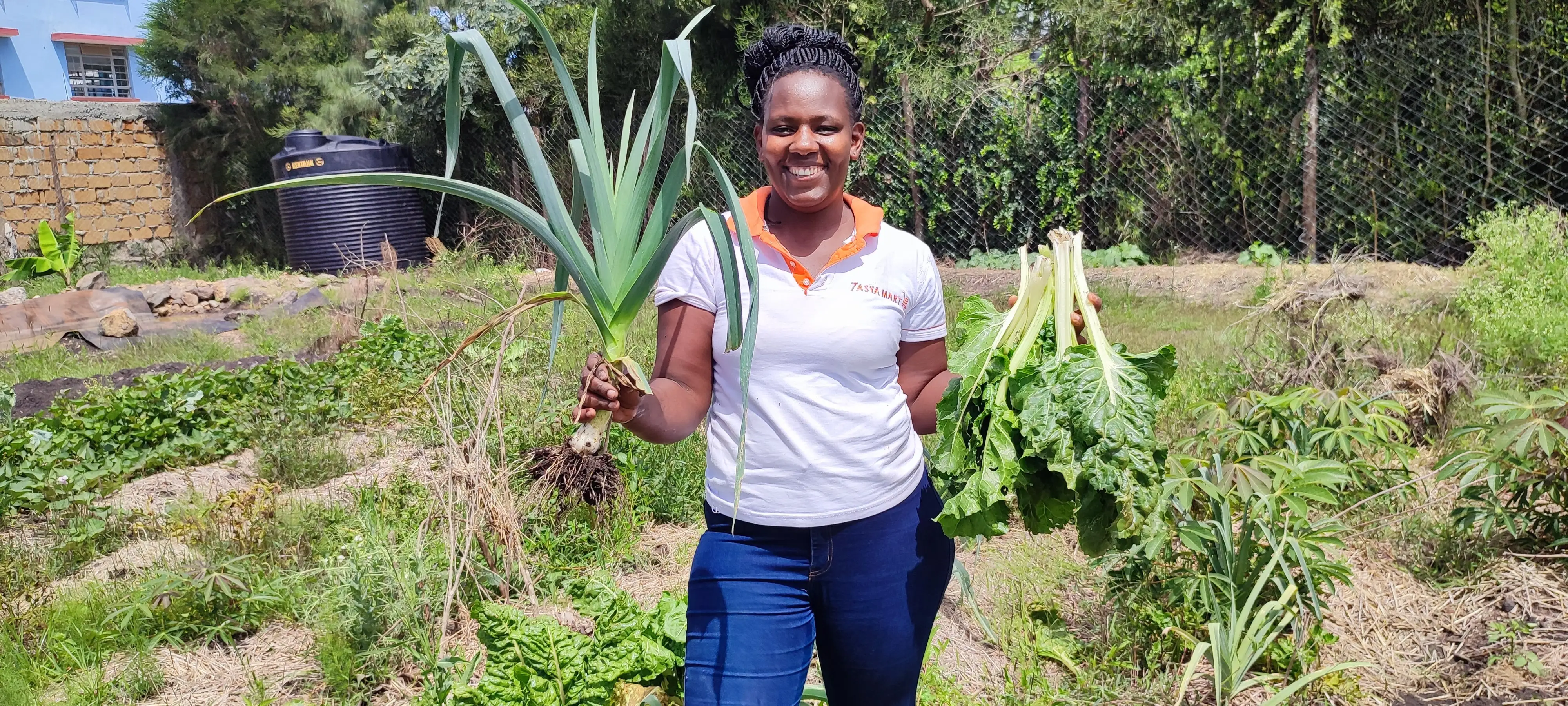
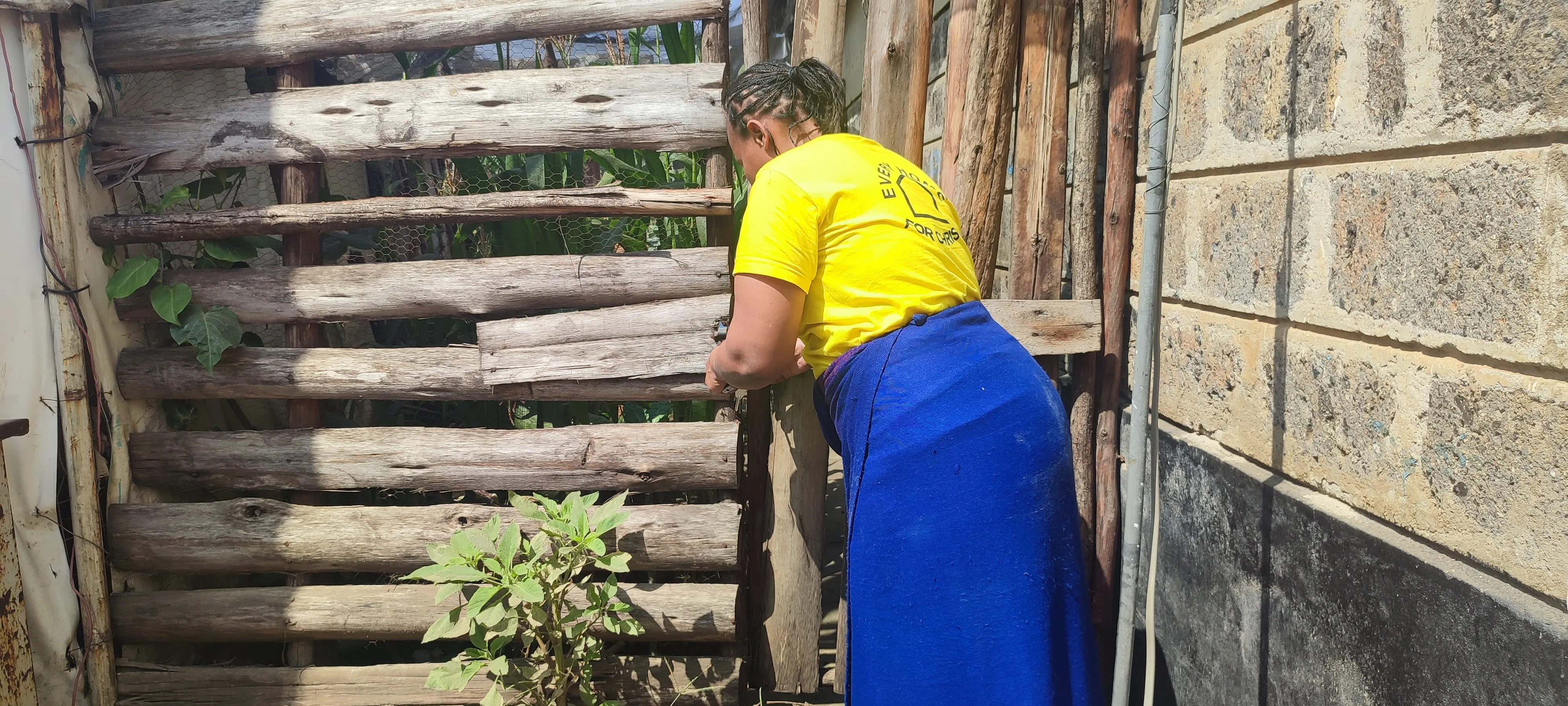
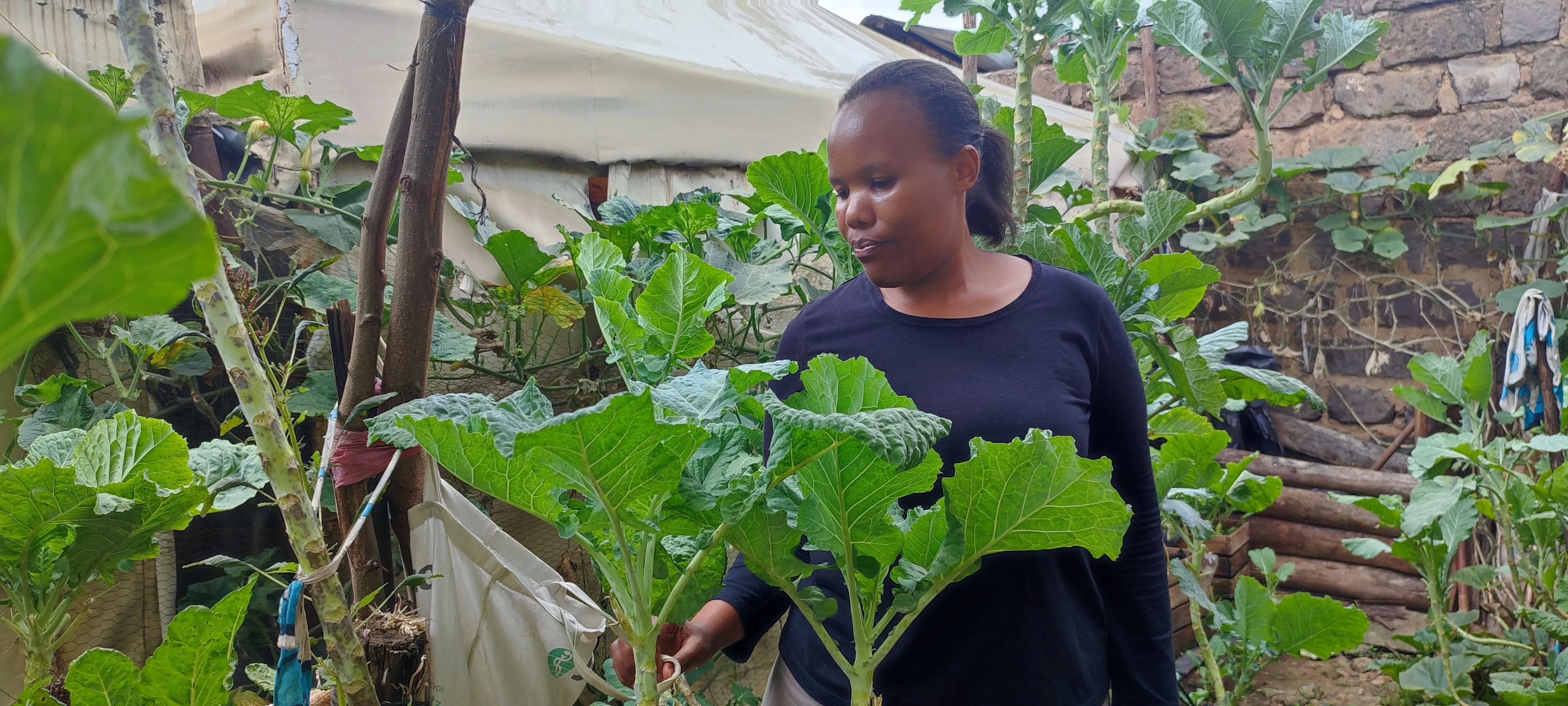
In a recent cohort of ten women, Ruth Njeri Huruma was hard to miss. A mother with children to provide for, she came into the programme needing more than a season of vegetables — she needed a way to support her family.
The first six months of every cohort are devoted to fundamentals: composting, climate-smart growing, and the basics of selling a surplus. We watched Ruth grow through those months — and she didn’t wait for the training to end.
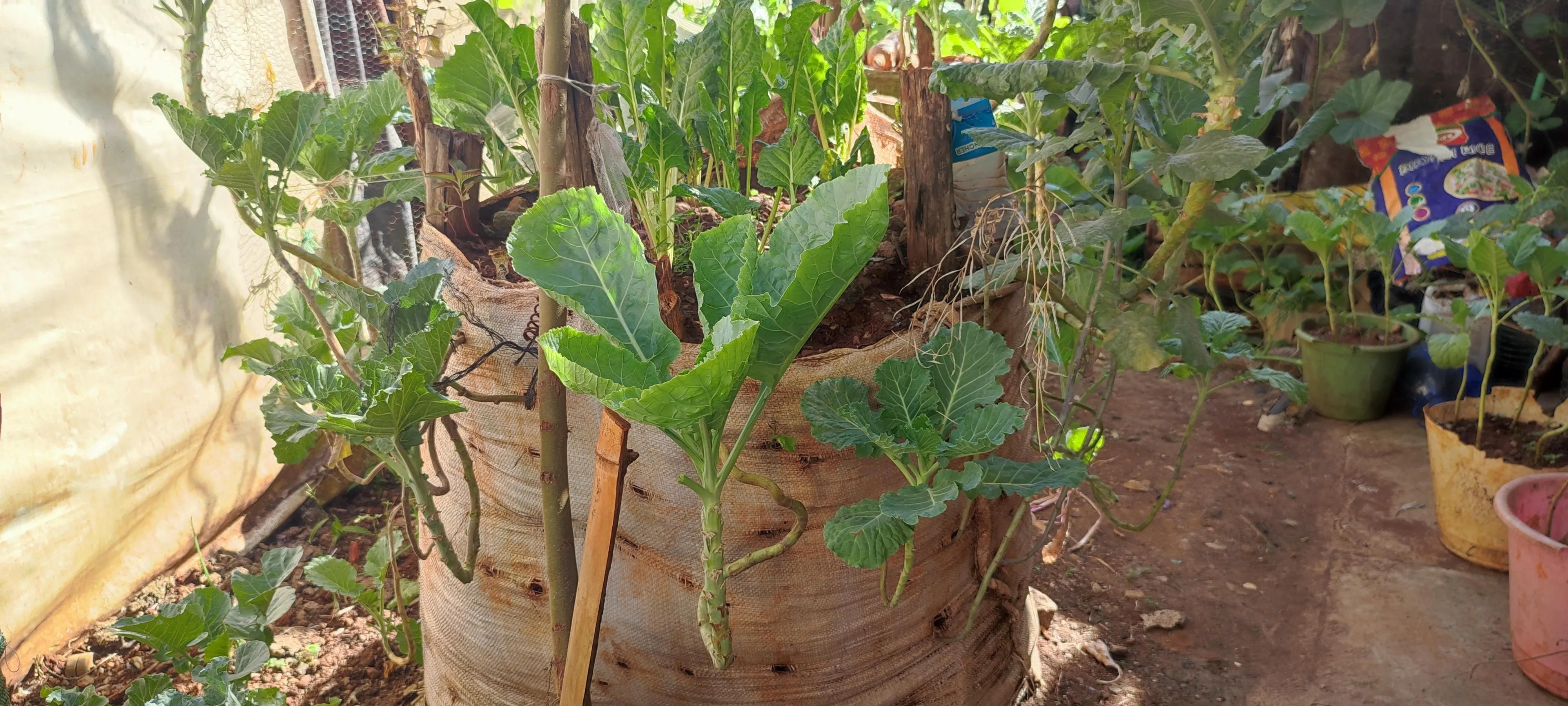
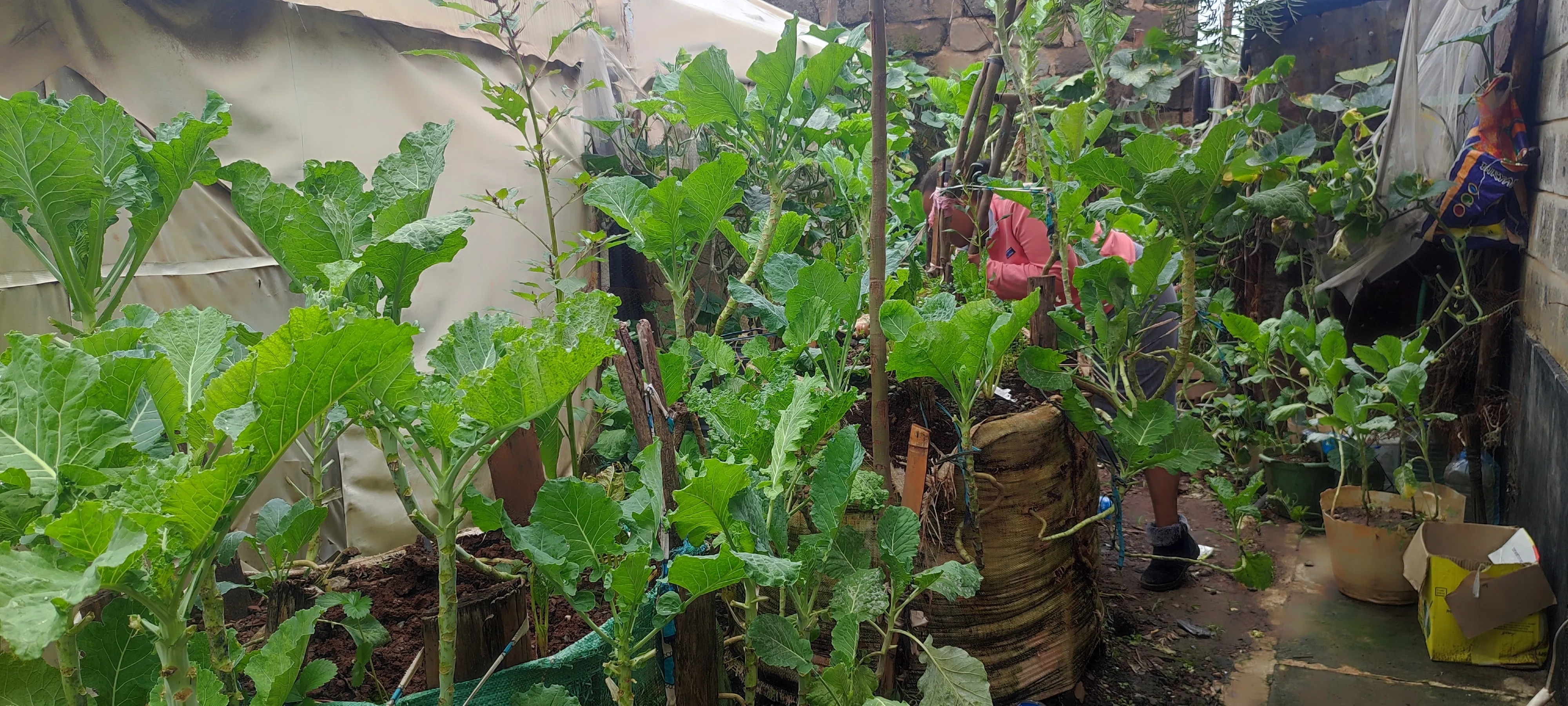
Midway through, Ruth approached the local leader herself, and secured a piece of land for the group to use. On that shared plot, the women cultivated a variety of staple crops. For Ruth’s household, the difference was immediate: food security she could count on.
Nothing went to waste. Her household’s daily organic waste went into the garden as fertilizer, and she went to the markets to gather cooking scraps to add to it.
The garden fed the family; the savings built something more. With money set aside and the support of the community she had gained through the project, Ruth opened a kiosk selling food and everyday household goods. Compared to where she started, she is now financially independent.
Today Ruth provides for her children with ease — and she has become a pillar for the women around her, working to lift others the way the cohort lifted her.